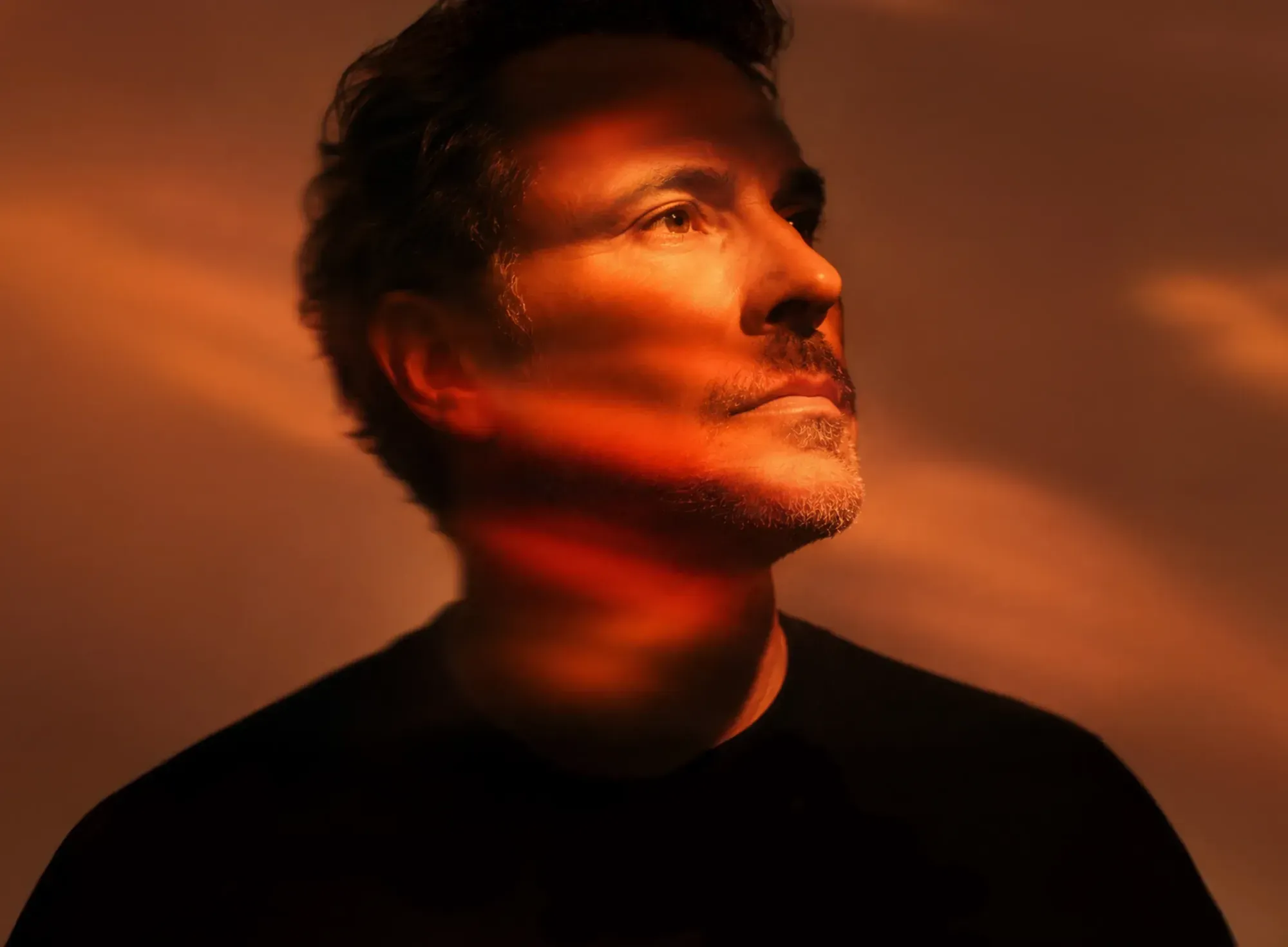
Close-up portrait of a man looking upward, warm light across his face

CURA MEN / MELBOURNE & AUCKLAND

↓

Men’s health
is a system,
not a list.

Hormones, metabolism, mind, relationships and environment are often connected. A change in one can be a clue to another.

The individual findings matter. So do their connections.

EXPLORE THE CONNECTIONS

The whole picture

Choose a topic to explore why good medical care may need to look beyond it.

Select a circle to explore its clinical connections Tap any topic to explore

Illustrative clinical relationships, not a diagnostic tool. Connections vary between individuals and do not necessarily imply causation.

01 / WHY MEN COME

THE STARTING POINT

It usually begins with one thing.

A change in energy. A blood result. A question about sex, performance or getting older. These concerns may appear separate, but sometimes they are different expressions of the same underlying problem.

You do not have to arrive with a diagnosis, a perfect set of records, or even a clearly defined question. The task is to understand what has changed, what may be connected and what deserves attention.

A smiling man in glasses and an overshirt, outdoors in soft sunlight
THE PERSON BEHIND THE RESULTS

REASONS TO BEGIN

Where the conversation starts.

A question about a heart check or prostate cancer test is often the beginning of a wider conversation. Select a concern to explore its connections.

Select a concern to highlight a relevant domain in The Whole Man. The connections illustrate clinical context, not a diagnosis or a recommendation for a particular scan.

ASSESSMENT / TESTING / INTERPRETATION

Our capabilities.

Not every concern requires more testing. We assess the question first, select investigations when useful, and help interpret what they mean.

A man running through a sunlit forest wearing headphones
01 / CARDIOVASCULAR

Heart health checks & heart scans.

A careful review of cardiovascular risk, including blood pressure, cholesterol, metabolic health, family history and symptoms. A scan is considered when it can improve a clinical decision.

  • Heart health and cardiovascular risk assessment
  • Coronary artery calcium (CAC) CT scoring when appropriate
  • Referral for CT coronary angiography or other cardiac tests when indicated
A cyclist riding a road bike in morning light
02 / EXERCISE PHYSIOLOGY

Exercise capacity & VO₂ max.

Functional capacity is part of health, not just fitness. We consider exercise tolerance, symptoms, activity, strength and cardiometabolic risk in deciding what to measure and why.

  • Clinical evaluation of exercise tolerance and performance
  • VO₂ max and CPET testing via suitable providers when useful
  • Interpretation and longitudinal goals
A smiling man in glasses and a dark shirt
03 / PROSTATE HEALTH

Prostate cancer checks & MRI pathways.

Prostate cancer testing starts with an informed discussion about age, family history, inherited risk and PSA testing. MRI has a role in investigating suspected disease, rather than as a routine screening scan.

  • Risk-based PSA blood testing and interpretation
  • Repeat testing and investigation of elevated results
  • Urology referral and prostate MRI when indicated

CURA provides physician-led assessment, clinical interpretation and coordination. Advanced cardiac imaging, prostate MRI and cardiopulmonary exercise testing are arranged with appropriately equipped external providers when clinically indicated; they are not represented here as on-site scanning services.

THE CLINICAL IDEA

Medicine begins with the person, not the panel.

Numbers can be useful. A testosterone level, a cholesterol result or a fitness score may tell us something important. None tells us, on its own, what it means to be you.

Good clinical decisions begin with a history, an examination where appropriate, and an understanding of what the findings might mean together. Then we act on it: investigate what needs answering, treat what needs treating, and use newer options where the evidence and your goals support them.

CURA / CLINICAL JUDGEMENT

FOUR CLINICAL AREAS

Different concerns.
One clinical picture.

Most men arrive with one concern. Care is organised around four clinical areas, and every CURA Private member follows one of them as a track, recommended by Dr Wee after the Strategy Session.

A father and his young son laughing together outdoors
HEALTH, FOR WHAT MATTERS
A silver-haired man in a suit and glasses, smiling
HEALTH, THROUGH LIFE

AN EXAMPLE / TESTOSTERONE

The result is low.
What does it mean?

It may be an important finding. But a blood result must be interpreted alongside symptoms, the time and circumstances of testing, other hormone measurements, medication, body composition, sleep and fertility intentions.

There is a difference between identifying a hormonal abnormality and deciding what to do about it. The distinction matters for both treatment and the things treatment might affect.

Read CURA's guide to testosterone and TRT
ONE RESULT / MANY QUESTIONS
01 / TESTOSTERONELOW
RESULT.

Not yet a complete explanation.

Symptoms & timingSHBG & gonadotropinsSleep & metabolismFertility intentions

The clinical context determines the next step.

THE CURA METHOD

How the relationship begins.
And how it continues.

Four connected commitments guide our clinical approach, from the first conversation to the decisions and care that follow.

01 / RELATIONSHIP

Connect

Begin with a conversation. We get to know you, your concerns and the life in which your health decisions take place.

02 / CONTEXT

Understand

Bring symptoms, history, investigations and personal priorities together. Look for what matters, including what may not need testing.

03 / JUDGEMENT

Recommend

Make a considered plan: what to act on, what to monitor, when to seek another opinion, and which uncertainties can remain open.

04 / CONTINUITY

Advocate

Where ongoing care is agreed, help navigate decisions, coordinate with other clinicians and remain involved as circumstances change.

The CURA Method is an ongoing way of practising medicine, not a fixed sequence of appointments.

COMMON QUESTIONS

You don't need to arrive with the answers.

The Strategy Session works out whether CURA is the right fit, and what is worth investigating or treating next.

What does a heart health check involve, and when do I need a heart scan?

A heart health check reviews risk factors such as blood pressure, cholesterol, diabetes, smoking and family history. A coronary calcium CT scan may clarify risk in selected people. Chest symptoms may require a different assessment or investigation; a scan is not automatically needed for prevention.

Should I have a PSA blood test or prostate MRI scan?

Prostate cancer checks usually begin with a discussion of your age, family history and other risk factors, followed by PSA testing if appropriate. An elevated result generally needs confirmation and may warrant urology referral. Prostate MRI is used in further investigation when indicated; it does not replace PSA screening.

Do I need symptoms or an abnormal test result to attend?

No. Some men have a specific concern; others want to review their health, risk factors or existing medical information. Investigation and treatment decisions are individualised.

Is this a testosterone or performance clinic?

No. Testosterone and physical performance may be relevant, but CURA takes a broader medical view. A particular medicine, investigation or result is not the starting assumption.

Can CURA work alongside my existing GP or specialists?

Yes. CURA can help interpret and coordinate the longer-term medical picture alongside other clinicians, with appropriate consent and clear responsibilities. It is not an emergency service or a complete replacement for local acute care.

A PLACE TO BEGIN

You don't need to know
which part is responsible.

That is what careful medical assessment is for. Begin with a conversation about what has changed, what concerns you and what is worth doing next.

Information is general and does not replace individual medical advice. The interactive network illustrates possible clinical associations, not diagnoses or established causation. Investigations and treatment are determined by clinical need. Imaging and advanced exercise testing are coordinated externally when indicated.

Photography via Unsplash: daria, Vitaly Gariev, Jonny Kennaugh, Olawale Munna, Hector Falcon, Humberto Chávez, Sebastian Pociecha.